
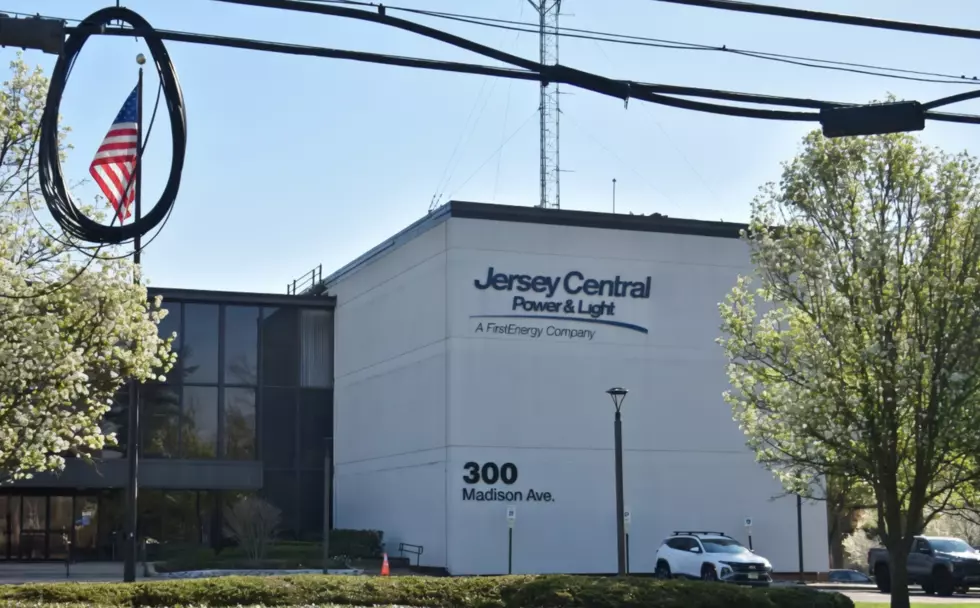
JCP&L wants an 8.8% hike, a month after the blackouts. How dare you
I read this story last night in disbelief, and I'm guessing I wasn't alone. Jersey Central Power and Light wants to raise the average customer's electric bill by about $170 a year. That's the headline.
Here's the part that actually made me stop scrolling: this filing landed roughly seven months after Gov. Mikie Sherrill signed an executive order, on her very first day in office, freezing electric rate increases. And it comes barely a month after JCP&L was the company everyone in this state was furious at over the Fourth of July weekend, when severe storms knocked out power, and thousands of customers were among the last in the state to get their lights back on.
What JCP&L is actually asking for
The filing, submitted Friday, would raise the average residential customer's monthly bill by 8.8%, about $14.23 a month for a household using 767 kilowatt-hours, or roughly $170 over a year. Altogether, it adds up to a $253 million increase in the company's base distribution rates. JCP&L says the money would go toward infrastructure upgrades and removing dead or diseased trees that cause outages, including ash trees killed by the emerald ash borer, which the company says have caused 60 percent of its tree-related outages since 2020. More than 74,000 of those trees have been removed since 2017.
There's one meaningful catch, and it's the reason this isn't hitting your bill next month. If approved, the increase wouldn't actually take effect until January 2028.
FirstEnergy's New Jersey president, Doug Mokoid, framed the delay as customer-friendly: "Our balanced approach puts both front-and-center simultaneously by minimizing the impact on bills today and giving customers time to plan." JCP&L Vice President Patricia Mullin added that the company has already improved reliability by 38 percent this year through grid investment. "When we invest, our customers benefit," she said.
SEE ALSO: NJ power company wants to raise your bill by $170 a year

So where does this actually end?
Here's my honest read.
The freeze Sherrill signed in January used existing state funds to offset the 17% to 20% rate increases nearly every New Jersey resident got hit with in 2025. That offset covers hikes through 2027. This new proposal is timed to kick in right as that protection runs out, in January 2028. Nobody broke a promise here, technically. The freeze does exactly what it said it would do. But it's hard not to notice that the moment the shield comes down, there's already a bill waiting on the other side of it.
And that's before you even get to the reliability argument. JCP&L wants this money specifically to prevent outages like the ones that just happened over the Fourth of July. Maybe that investment is genuinely overdue. Maybe tree removal and grid upgrades really are the fix. But asking customers to pay more for reliability a month after failing at reliability is a tough sell, and I don't think "how dare you" is an unreasonable reaction to have. I know it was mine.
Which states have the most expensive electric bills?
Gallery Credit: New Jersey 101.5