
First day of summer makes me sad — keep changing the clocks anyway
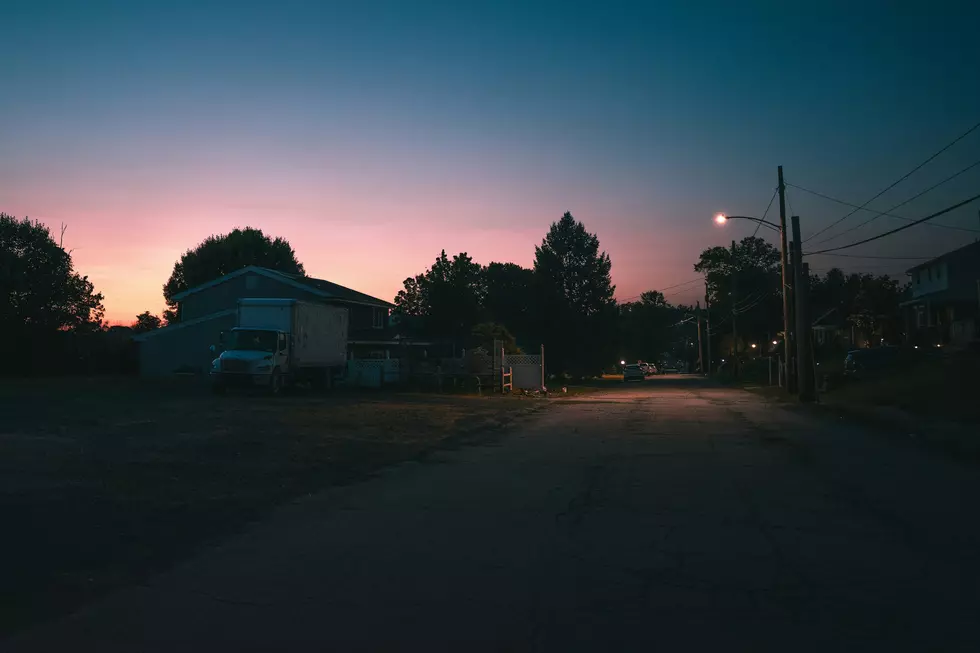
Here's something a little odd about me, and I suspect I'm not alone in it: the first day of summer makes me a little sad.
I know how that sounds. Summer is the best stretch of the year for all the obvious reasons — beach, boardwalk, barbecue, pool, patio, picnic. For a few months, we get to live the weather our friends who moved to Florida get to live in year-round. I love all of it. What I don't love is what the first day of summer actually represents on a calendar: the day the sun stops giving us more light and starts taking it back. From the winter solstice straight through to June 20th or so, the days get a little longer every single day, and there's something quietly satisfying about that, like we're building toward something. Those 5:30 a.m. sunrises in May and June are my favorite mornings of the whole year. Then summer officially arrives, and the account starts running the other direction. The walks get a little darker. The sun sets before 8 p.m. within days. Sigh.
I'm not the only one who feels this. My on-air partner Kyle Forcini gets it too. Denial, anger, bargaining, depression, acceptance — that's about the pace of it, and there's nothing either of us can do about the actual physics of the thing.
SEE ALSO: Why early October is the right time to fall back in NJ
What we can control is the clock
There is one part of this we do get a say in, and it's suddenly a live question again. President Trump is pushing the U.S. Senate to pass the Sunshine Protection Act, which would end the twice-a-year clock change and lock the country into daylight saving time permanently. The bill already cleared the House in a bipartisan 308-117 vote, sponsored by Florida Republican Rep. Vern Buchanan, and Trump has been calling on Senate Republicans to "release their holds" and get it to his desk. Florida Republican Sen. Rick Scott is pushing hard for a vote. Arkansas Republican Sen. Tom Cotton is pushing back just as hard, warning that permanent daylight saving time would shove winter sunrises to what he's called "an absurdly late hour."
Cotton has history on his side. We already ran this exact experiment, in the winter of 1974, during the oil crisis. Congress made daylight saving time permanent that January, expecting to save energy. Instead, sunrises in parts of the country didn't arrive until nearly 9 a.m. Kids stood at bus stops in pitch darkness, some carrying flashlights, some wearing reflective gear schools handed out because parents were scared. Public support for the idea collapsed from 79 percent to 42 percent in about two months. Florida reported eight children killed in traffic accidents in the weeks after the switch, four times the toll from the same stretch the year before. Congress killed the experiment that August, ten months into what was supposed to be a two-year trial.
I get why brighter evenings sound appealing. But darker mornings are the real cost, and it's already hard enough getting out of bed when it's dark at 7 a.m. Push that darkness another hour into the morning, across the whole state, every single winter day, and I think we'd all be a lot grouchier than a little end-of-summer sadness ever made us.
Leave it
So here's my vote: leave it exactly as it is. Spring forward, fall back, same as it's been since I was a kid. Because if there's one thing New Jersey doesn't need, it's an entire state full of people even crankier before their coffee kicks in.
Summer Vacation in the '80s: These Nostalgic Photos Say It All
Gallery Credit: Stephen Lenz