

NASA Wants Your Cloud Photos To Improve Satellite Science
NASA Wants You to Take Pictures of the Clouds
If you’re the kind of person who occasionally looks up at the sky and thinks, “That cloud looks like a dinosaur,” NASA has a job for you.
NASA is asking people around the world to photograph clouds as part of a citizen-science project that helps researchers compare what satellites see from space with what people see from the ground.
The project is connected to NASA’s PACE satellite, which studies Earth’s atmosphere and oceans. Researchers are particularly interested in observations made around the same time PACE passes overhead.
According to NASA, participants can use the GLOBE Observer app to find out when PACE is expected to pass over their location. About five minutes before the satellite passes, observers can head outside and use the app’s Clouds tool to photograph the sky.
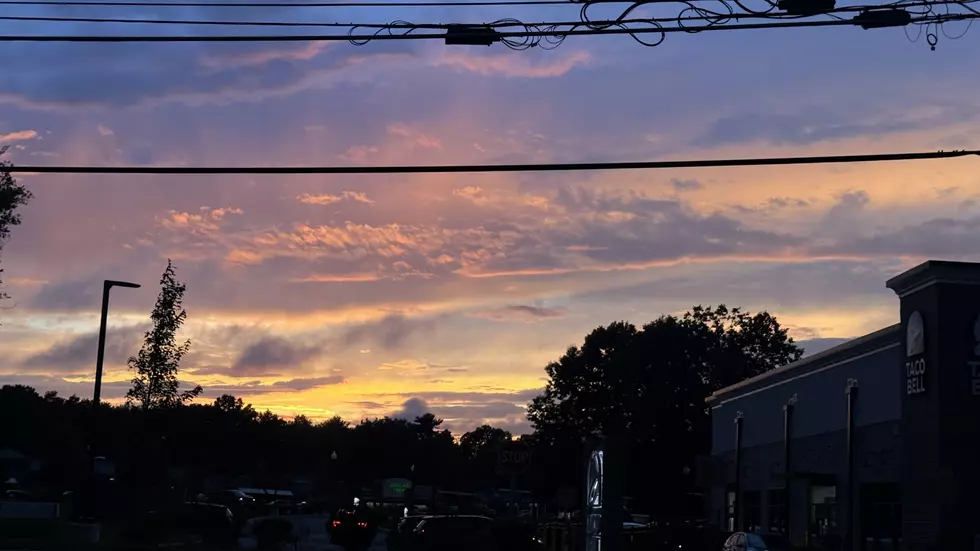
The observations can then be matched with satellite data.
Why Does NASA Need Cloud Pictures?
It isn't just about getting some cool sky photos.
PACE's instruments collect detailed information about clouds and tiny particles in the atmosphere. But when a satellite is looking down from space, figuring out exactly what is happening around broken clouds and cloud edges can be challenging.
That's where people on the ground come in.
Your photographs provide scientists with another view of the same clouds PACE is seeing from above. Those observations can help researchers better understand and validate the satellite's measurements.
And yes, that means a picture you take from your backyard in the Hudson Valley could potentially be compared with data collected by a NASA satellite flying hundreds of miles above Earth.
How to Participate
You'll need the free GLOBE Observer app.
Once you've signed up, the app can provide information about upcoming satellite overpasses. When a PACE overpass is approaching, head outside and follow the app's instructions for photographing the sky.
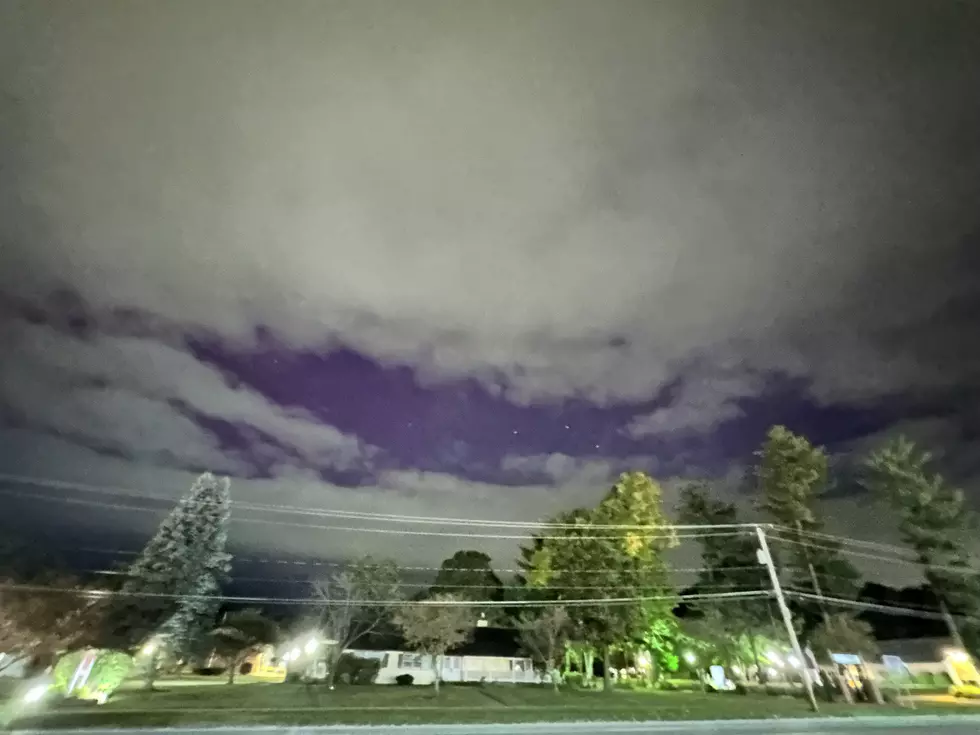
NASA's PACE team says observations are especially useful when they're made within about five minutes of the satellite passing overhead.
The current PACE Clouds Challenge is running this fall, giving sky-watchers another reason to look up before winter settles in.
And if you're wondering whether your particular cloud formation is scientifically interesting, don't worry about it. NASA isn't asking you to identify the clouds yourself. The app walks participants through the observation process.
So the next time you're walking the dog, sitting in the backyard or stuck waiting for the kids to get out of practice, take a look up.
NASA might be looking at the same sky.
Want to participate? Learn more about NASA's PACE Clouds Challenge through the NASA PACE mission and the GLOBE Observer Clouds program.
Hudson Valley Covered in Canadian Wildfire Smoke
Gallery Credit: Listener submissions


