

NJ ghost towns to visit this fall, from Walpack to Weymouth
I have been exploring New Jersey ghost towns since before I knew what to call them.
My father was a genealogist. Some weekends meant what he called graveyard picnics.
We'd pack a lunch and drive out to old Pine Barrens cemeteries and abandoned villages. We'd look at headstones and foundations and try to feel something of the people who used to live there.
I was a kid. I thought it was strange. Now I think it was one of the best things he ever did for me.
October is when those places feel the most alive, which is a strange thing to say about a ghost town. The crowds are gone, the leaves are down, and the old foundations start to show through the woods again.
Here's where to go.
SEE ALSO: NJ's most remote places, updated: The town that voted itself out of existence
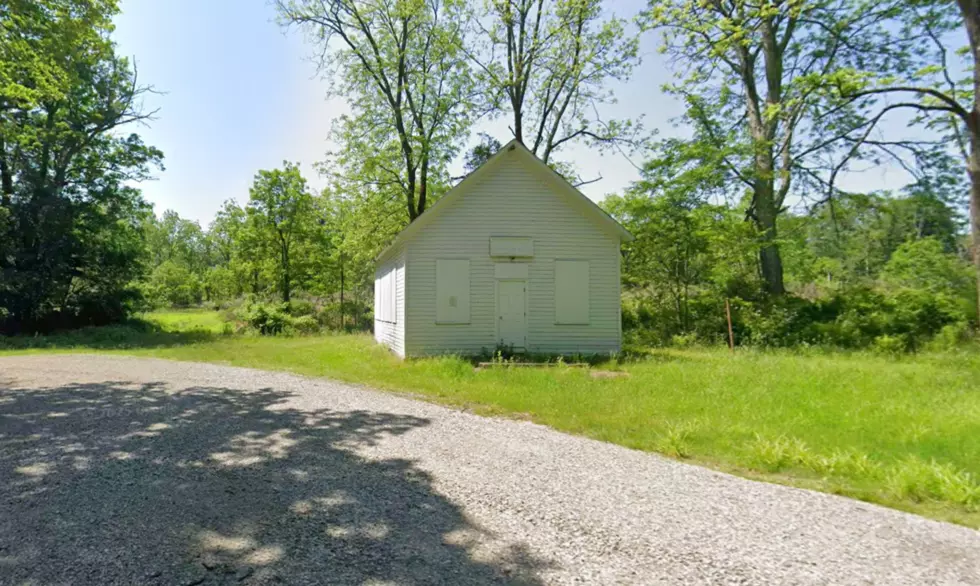
Walpack Center: the town that shouldn't be empty
Most New Jersey ghost towns died because the industry died. The furnace shut down, the glassworks closed, and the people left for work somewhere else.
Walpack Center in Sussex County is different. The people who lived there didn't leave because the work dried up. They were bought out.
The plan was the Tocks Island Dam, which would have flooded the upper Delaware River valley under a 37-mile reservoir. In 1965 the valley became part of the new Delaware Water Gap National Recreation Area, and families who had lived along that river for generations were moved out.
The dam was never built. The Delaware River Basin Commission voted against funding it in 1975, and Congress formally killed it in 1992, according to the commission's own history.
The families were already gone.
The village still stands: a church, the old post office and farmhouses, all owned now by the National Park Service. On Sunday, Oct. 11, from noon to 4 p.m., the Walpack Historical Society opens the village buildings and the Van Campen Inn for its Heritage Weekend.

Five more ghost towns worth the drive this fall
Feltville, the Deserted Village, Union County
Papermaker David Felt built it in the 1840s and ran it like his own kingdom. When he sold it in 1860, he reportedly said, "King David is dead, and the Village will go to hell," according to Union County.
It later became a summer resort called Glenside Park, which closed in 1916. It's open daily, dawn to dusk, inside the Watchung Reservation.
This is the one to see at Halloween. The county's Haunted Hayrides run Oct. 23–25, with a rain date of Oct. 26.
- Tickets: $8 for Union County residents, $16 for everyone else
- Advance purchase: required
- Ages: recommended for kids 6 and older
Waterloo Village, Sussex County
Waterloo grew up as a busy stop on the Morris Canal, then faded as the railroads took the canal's business. The canal was officially dismantled in 1924, according to the Canal Society of New Jersey.
It's practically on the way to Walpack if you're making a day of it.
Allaire Village, Monmouth County
James P. Allaire's Howell Works turned out iron goods here until the furnace closed in 1846. The village is now a living history museum inside Allaire State Park, with its bakery, blacksmith shop, general store and church preserved. It's worth a full afternoon.
Weymouth Furnace, Atlantic County
The ironworks here supplied shot and bombs in the War of 1812. It stopped around 1862, and the paper mills that followed shut down in 1897, according to Atlantic County.
Stone ruins still stand along the Great Egg Harbor River on Route 559. It's close to home for me, and it's one of the quietest, most beautiful spots in South Jersey.
Whitesbog, Burlington County
This cranberry village is where the first commercial crop of cultivated blueberries came from in 1916, thanks to Elizabeth White and botanist Frederick Coville, according to the New Jersey Historical Commission. Workers' cottages and the general store remain, and Whitesbog is open daily, sunrise to sunset.

Why these places matter
I used to think ghost towns were just curiosities. Something to drive past and wonder about.
The older I get, the more I think they're a reminder. The towns we live in now aren't permanent. Prosperity isn't guaranteed.
And sometimes people are moved off the land they love by forces completely outside their control.
Walpack makes that point harder than anywhere else I know in New Jersey. The dam was never built. The town is still empty.
Wayne Cabot and I are finally going in November. We're camping up there, and I plan to spend some time standing in that village.
My father would have wanted to be there. I'll bring him along the only way I can.
Opinions expressed in the post above are those of New Jersey 101.5 show host Eric Johnson only.
Batsto Village and pine barrens lake trail — photos from April 2026
Gallery Credit: Photos by EJ


